


Policyfinder
Use this tool to find EU policy on the issues that matter to you.
Policy Areas are topics that the EU is actively making policy about.
Policymakers are the groups of people or individuals who make policy.
Legislation is any relevant law that has been or is being made.
Biodiversity

Chemicals and Toxic Substances
Trade Deals
Transport
Energy
Human Rights
Democracy
Circular Economy
Air pollution
Climate Change
Here is a little more information about the Policymakers you’ll find in each of the EU Institutions:
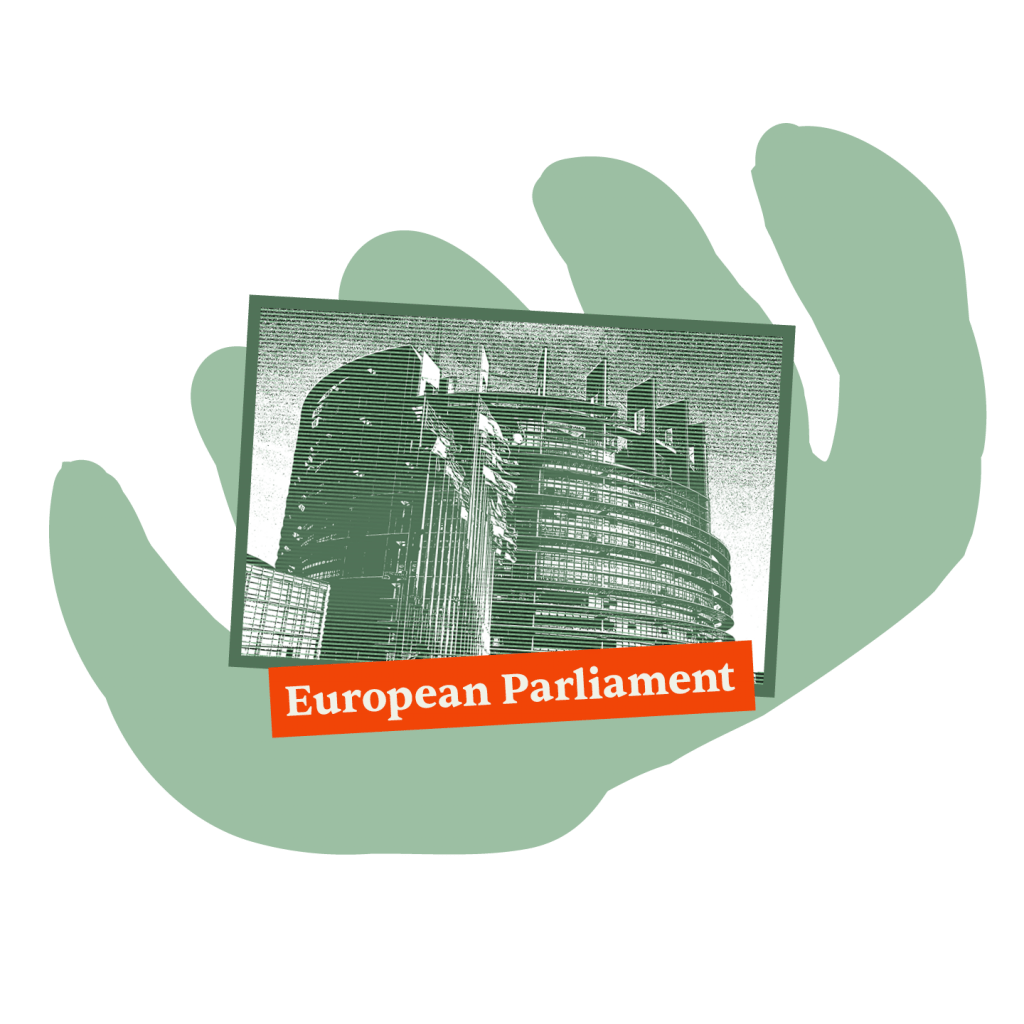
European Parliament
Committees: The committees in the European Parliament consist of members of the European parliament specialised in a certain policy area. The committees draw up, amend and adopt legislative proposals (directives) and own-initiative reports.
Subcommittee or Special Committees: the European Parliament can set up standing sub-committees and special temporary committees to deal with specific issues.
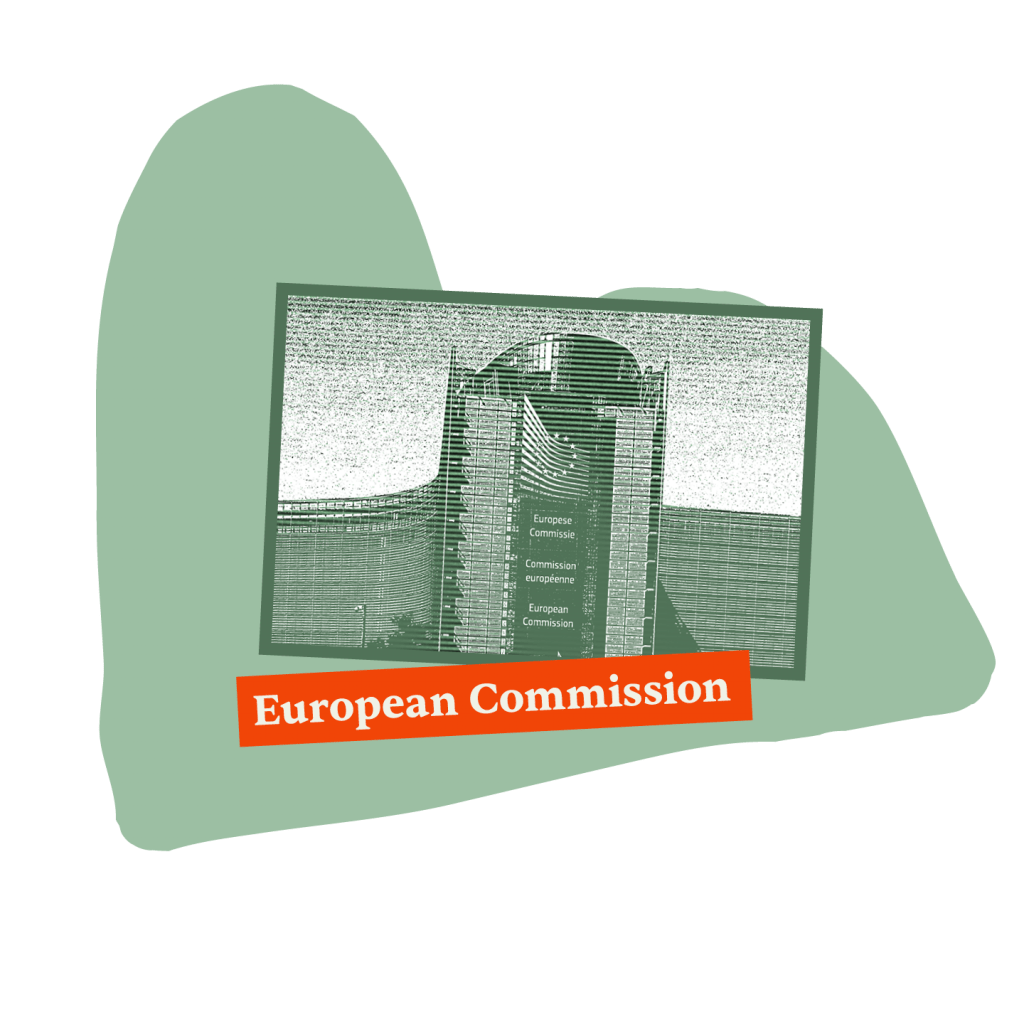
European Commission
Commissioners: There is one commissioner from each EU country (27 in total). The President of the Commission assigns responsibilities for specific policy areas to each Commissioner.
Directorates-General (DGs): The Commission is organised into policy departments, known as Directorates-General, which are responsible for different policy areas. DGs develop, implement and manage EU policy, law, and funding programmes. For example DG Clima works on climate-related policy, and DG Agri works on agriculture-related policy.
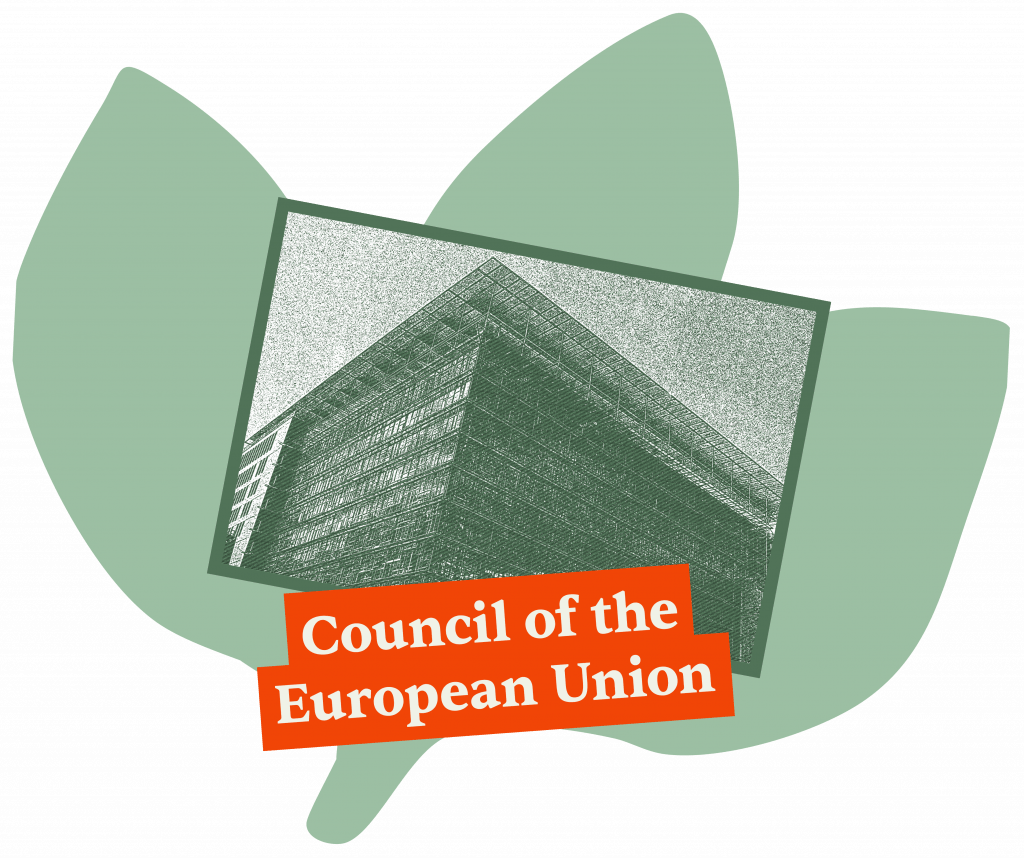
Council of The European Union
Configurations: There are 10 different configurations of the Council of the European Union grouped by policy areas, where the relevant national government ministers meet. For example the Environment Council brings together Ministers for the Environment, and the Foreign Affairs Council brings together Ministers for Defence, Development and Trade.