



Policyfinder
Use this tool to find EU policy on the issues that matter to you.
Policy Areas are topics that the EU is actively making policy about.
Policymakers are the groups of people or individuals who make policy.
Legislation is any relevant law that has been or is being made.
Biodiversity

Chemicals and Toxic Substances
Trade Deals
Transport
Energy
Human Rights
Democracy
Circular Economy
Air pollution
Climate Change
Here is a little more information about the Policymakers you’ll find in each of the EU Institutions:
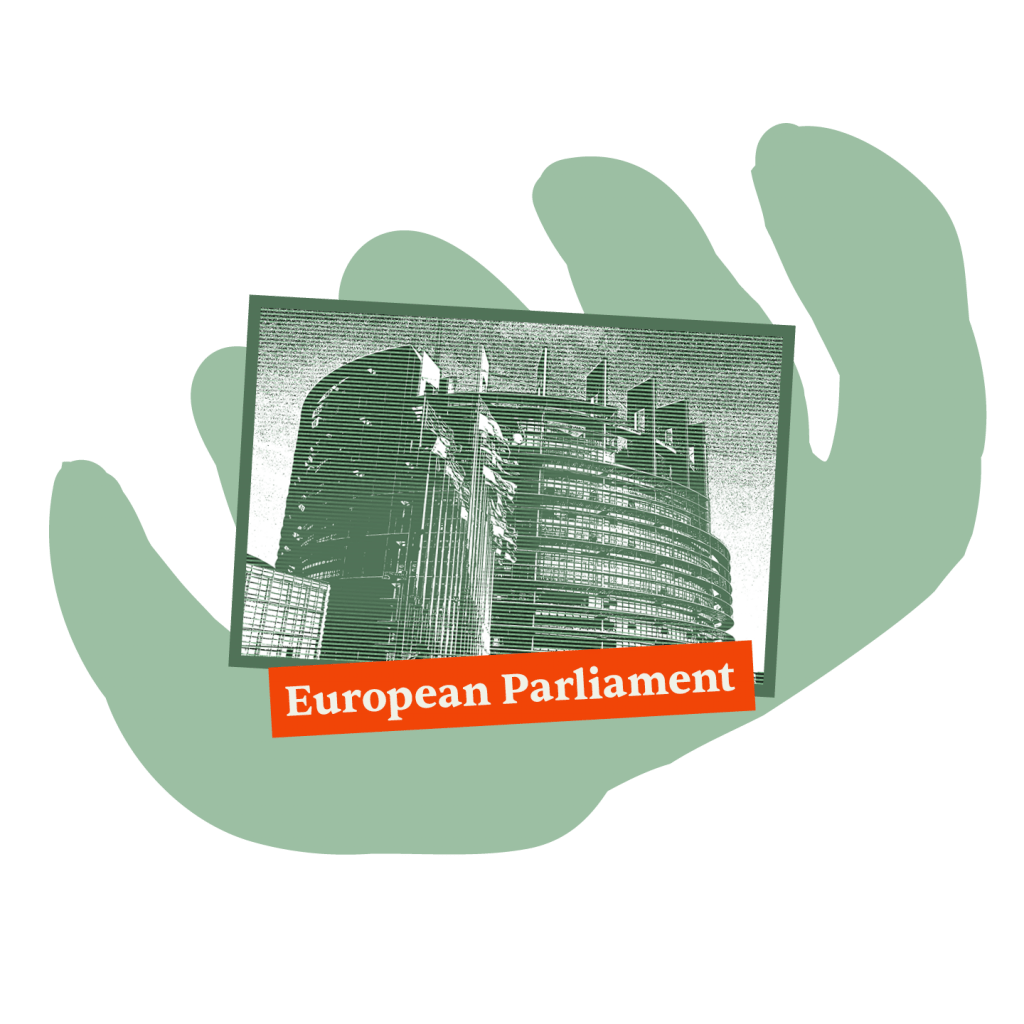
European Parliament
Committees: The committees in the European Parliament consist of members of the European parliament specialised in a certain policy area. The committees draw up, amend and adopt legislative proposals (directives) and own-initiative reports.
Subcommittee or Special Committees: the European Parliament can set up standing sub-committees and special temporary committees to deal with specific issues.

European Commission
Commissioners: There is one commissioner from each EU country (27 in total). The President of the Commission assigns responsibilities for specific policy areas to each Commissioner.
Directorates-General (DGs): The Commission is organised into policy departments, known as Directorates-General, which are responsible for different policy areas. DGs develop, implement and manage EU policy, law, and funding programmes. For example DG Clima works on climate-related policy, and DG Agri works on agriculture-related policy.
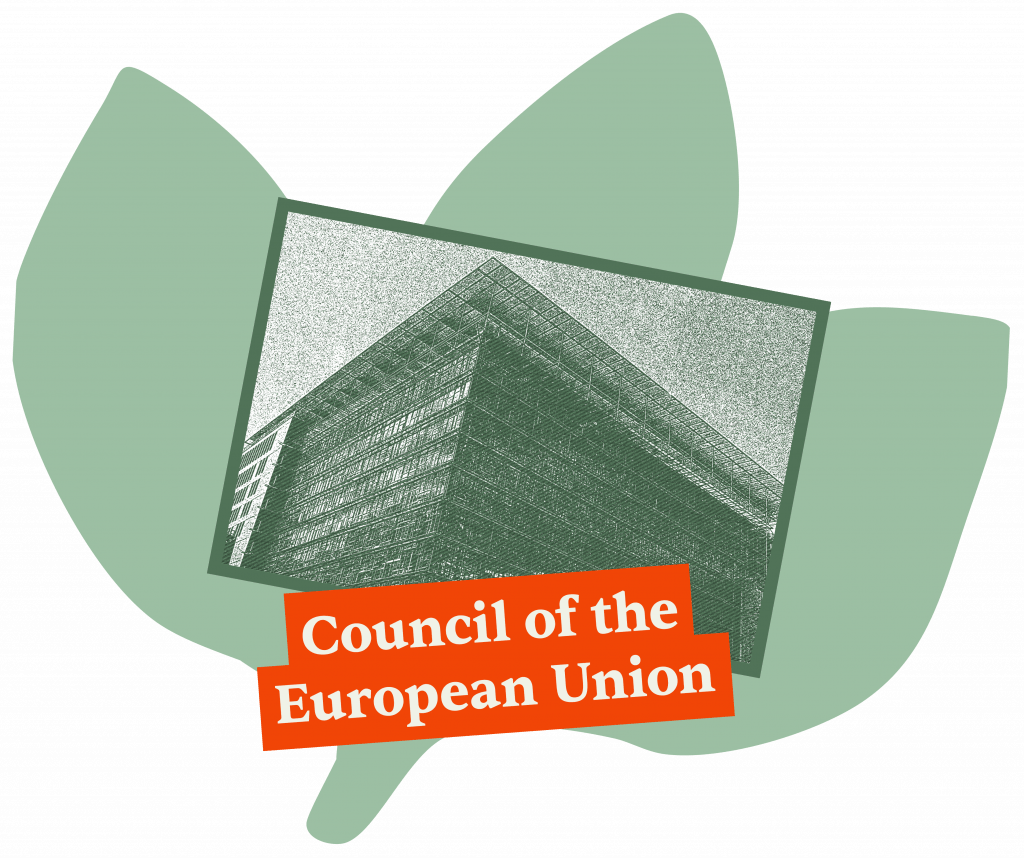
Council of The European Union
Configurations: There are 10 different configurations of the Council of the European Union grouped by policy areas, where the relevant national government ministers meet. For example the Environment Council brings together Ministers for the Environment, and the Foreign Affairs Council brings together Ministers for Defence, Development and Trade.







This translation won’t be perfect
We use Google Translate to automatically translate content form our site into a number of languages spoken across Europe. However, please be aware that, since translations are done by machine, they may not always be perfect.
We do not own, manage or control any aspect of Google Translate and are not responsible for the translations it provides. We do not make any promises, assurances, or guarantees as to the accuracy, reliability, or timeliness of the translations provided.
We can only verify the validity and accuracy of the information provided in English and, because of this. As such, the English version of our website is the official text. We cannot be held liable for any inaccuracies or errors in the translation and shall not accept liability for any loss, damage, or other problem, including without limitation, indirect or consequential loss or damage arising from or in connection with use of the Google Translate Service. By using Google Translate, you understand and agree to this disclaimer. If there are any concerns regarding the accuracy of the information presented within the translated versions of our site, please refer back to the English language website.